Refresh Your kids room with These Inspiring Ideas
Designing a personal sanctuary for your little one is more than just picking paint colors. It is about creating a flexible environment that evolves alongside their changing interests and developmental milestones. Thoughtful bedroom design for kids serves as the foundation for both rest and imaginative play.

Professional interior design for children can significantly impact daily comfort and spark natural creativity. By applying strategic room transformation tips, you can easily turn a standard space into a functional haven. These adjustments ensure the area remains useful as your child grows older.
Our guide explores the best kids room ideas that balance aesthetic appeal with practical utility. Discover how to build a personalized retreat that fosters growth and happiness every single day.
Key Takeaways
- Focus on modular furniture to accommodate rapid growth stages.
- Prioritize safety and accessibility in every layout choice.
- Use neutral base palettes to allow for easy seasonal updates.
- Incorporate dedicated zones for both study and creative play.
- Select durable materials that withstand the wear of daily activity.
Creative and Functional Kids Room Ideas
Achieving a perfect balance in a modern children’s room starts with smart spatial planning and creative decor. By focusing on how a child interacts with their environment, you can transform a simple bedroom into a hub of inspiration and order. The goal is to ensure that every square inch serves a specific purpose while remaining flexible enough to change as your child grows.
Incorporating Interactive Wall Art and Murals
Walls offer the perfect canvas for creative room decor that stimulates a child’s imagination. Instead of traditional paint, consider using chalkboard or magnetic surfaces to turn a wall into an interactive play space. This approach allows children to express their artistic side without the need for constant redecorating.
You might also choose removable wall decals that feature educational themes or favorite characters. These elements are highly versatile and can be updated easily as your child’s interests evolve over time. Integrating these visual features keeps the room feeling fresh and engaging.
Utilizing Vertical Storage for Small Spaces
Effective small room organization often relies on looking upward rather than outward. By installing floor-to-ceiling shelving or wall-mounted cubbies, you can keep the floor clear for play. This strategy is essential for maintaining a tidy environment in tighter quarters.
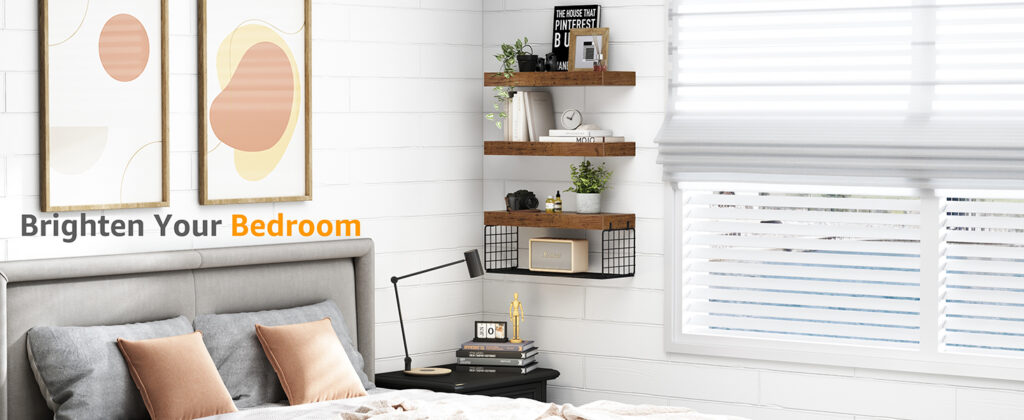
Using functional bedroom furniture that incorporates built-in storage is another excellent way to maximize space. Think of beds with drawers underneath or desks that feature overhead cabinets. These solutions ensure that toys and books have a designated home, making cleanup much faster.
Creating Dedicated Zones for Play and Study
Establishing a clear kids study area is vital for fostering focus and academic success. By placing a desk away from the main toy storage, you create a visual boundary that signals it is time to work. This separation helps children mentally transition between their academic tasks and their leisure time.
Effective playroom organization relies on grouping similar items together in accessible bins or baskets. When everything has a specific place, children learn to take responsibility for their belongings. This structured approach creates a calm atmosphere that supports both learning and relaxation throughout the day.
Essential Design Elements for Growing Children
Creating a space that evolves with your child is the hallmark of smart bedroom design for kids. By focusing on quality and flexibility, you can build a room that remains functional and stylish through every developmental stage. This approach saves time and resources while ensuring your child always feels comfortable in their personal sanctuary.
Selecting Versatile Furniture That Adapts Over Time
Investing in functional bedroom furniture is a wise strategy for any parent. Look for pieces that offer multi-purpose utility, such as cribs that convert into toddler beds or desks with adjustable height settings. These items provide long-term value and reduce the need for frequent replacements.
Choosing sustainable kids furniture also benefits the environment and your home’s air quality. High-quality materials like solid wood or non-toxic finishes ensure durability and safety. Consider these key features when shopping for long-lasting pieces:
- Modular shelving units that grow with storage needs.
- Beds with under-frame storage for toys and seasonal items.
- Desks that transition from craft stations to study hubs.

Choosing Calming Color Palettes for Better Sleep
The atmosphere of a room is heavily influenced by its visual tone. Selecting the right bedroom color schemes can significantly impact your child’s mood and sleep hygiene. Soft, muted tones are often better than bright, stimulating colors for creating a restful environment.
Consider using shades of sage green, soft blue, or warm neutrals to promote relaxation. These colors help lower stress levels and prepare the mind for rest at the end of a busy day. Consistency in color throughout the room creates a cohesive look that feels calm and inviting.
Integrating Personalized Decor and Soft Textiles
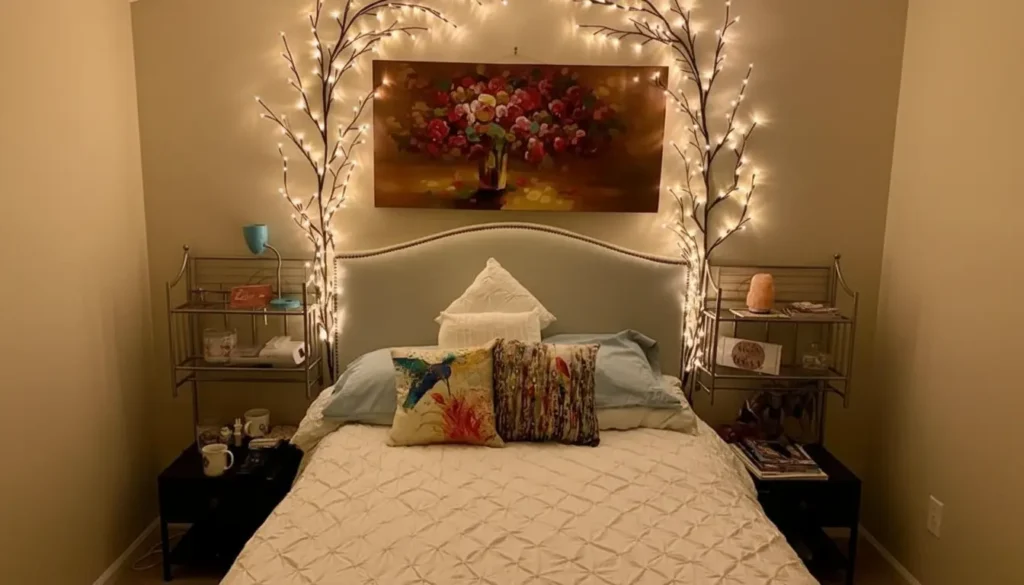
A room should reflect the unique personality of the child who lives there. Incorporating personalized room decor allows your child to feel a sense of ownership and pride in their space. Whether it is wall art featuring their favorite hobbies or custom name displays, these touches make the room feel truly special.
Adding soft textiles for kids is the final step in creating a cozy, inviting atmosphere. Layering rugs, plush blankets, and comfortable pillows adds texture and warmth to the bedroom. These elements are easy to swap out as your child’s tastes change, making them an affordable way to refresh the room’s style over time.
Conclusion
Designing a bedroom is about more than just picking paint colors or furniture. It is an investment in your child’s daily happiness and personal growth. Applying smart interior design for children helps you build a sanctuary that supports their changing needs over time.
Focusing on flexible bedroom layout ideas allows the room to evolve as your child moves from toddlerhood to their teenage years. You can easily adjust these spaces by swapping out accessories or rearranging modular furniture pieces from brands like Pottery Barn Kids or IKEA. This approach keeps the environment fresh without requiring a complete renovation every few years.
Effective room transformation tips center on balancing style with long-term utility. A well-planned space encourages creativity, provides comfort for rest, and offers a dedicated area for academic focus. These elements work together to foster independence and confidence in young residents.
Take a moment to evaluate your current setup and identify one area that needs a simple update. Small changes often yield the biggest impact on how a child interacts with their surroundings. Start your project today to see how these intentional design choices improve your home life.